
Key takeaways
- Start with a small range of proven models across two seasons rather than many styles at once.
- Plan the size curve per breed group and add a clear size chart to every listing.
- Test samples on real dogs, then lock packaging, barcodes and photos before bulk production.
Pet owners are loyal to accessories that fit. A private label dog shoe line built around fit and clear sizing can earn repeat customers — here is how to start.
1. Choose a focused first range
- One rain or all-weather model: XC03 or XC01.
- One breathable everyday shoe: XC05.
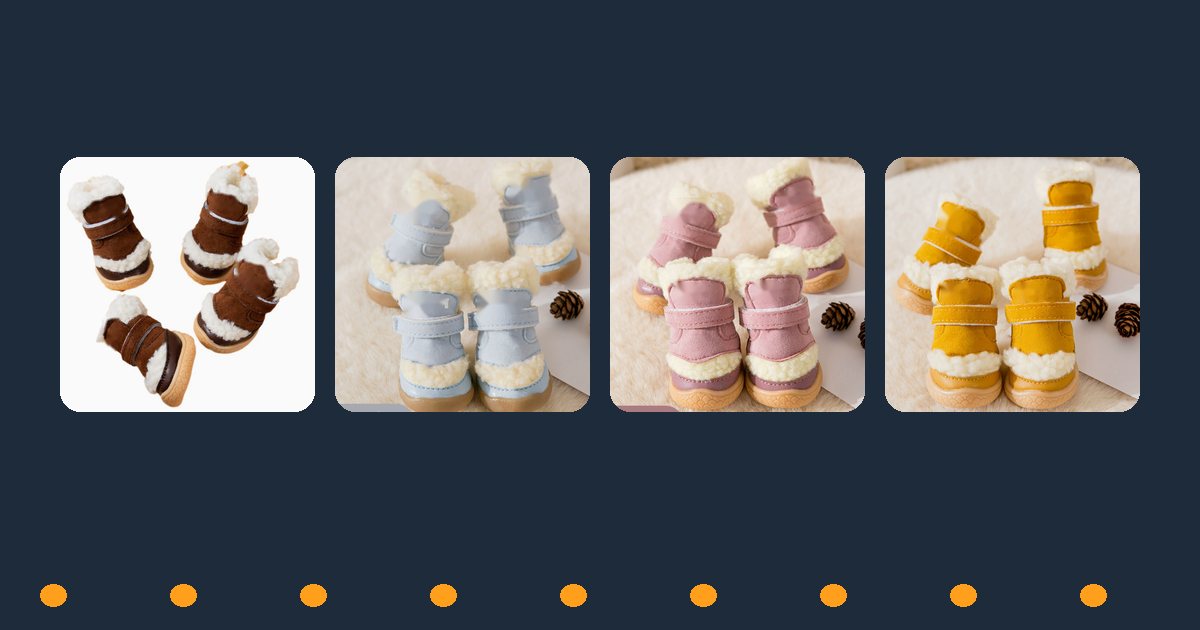
- One winter boot: XC11.
- One hero item that stands out in photos: XC20 LED shoes or XC10 quick-lace.
2. Plan sizes and colours
Decide which breeds you sell to and build the size curve from the model size charts. Two or three colours per model are usually enough for a first order; you can add more once you see what sells.
3. Branding and packaging
| Item | Options to discuss |
|---|---|
| Logo | Strap print, woven label or tag — depends on the material |
| Packaging | Printed box, header card or poly bag with insert |
| Barcodes | Your EAN / UPC or marketplace labels |
| Inserts | Size guide card, "how to put on" instructions |
4. Samples and testing
- Order samples in two or three sizes.
- Test on real dogs: does the shoe twist, rub or slip off?
- Check stitching, straps and sole bonding after a few walks.
- Approve the sample and keep it as the reference for bulk production.
5. Listing and launch
- Show the size chart in cm and inches and a "how to measure" image.
- Use photos on real dogs plus white-background shots.
- Launch seasonal models two to three months before their season.
Tell us your market and marketplace and we suggest a first assortment. Private label options · Get a quote.
Talk to a pet shoe supplier
Send your models, sizes and quantities — Mia replies with wholesale prices, MOQ and sample options within one business day.